
Optimal Timing for Waterproofing Applications
Proper timing is essential for effective waterproofing applications. The optimal period depends on weather conditions, temperature ranges, and the specific surface to be treated. Typically, dry and mild weather conditions ensure the best results, preventing issues like moisture entrapment or improper adhesion.
Spring offers moderate temperatures and less humidity, making it an ideal time for waterproofing projects. It allows sufficient curing time before summer heat or winter cold.
Early summer provides warm temperatures and dry conditions, beneficial for many waterproofing materials to set properly.
Fall's cooler weather and lower humidity levels support effective waterproofing, especially before winter.
Winter is generally unsuitable due to freezing temperatures and increased moisture, which can compromise waterproofing effectiveness.
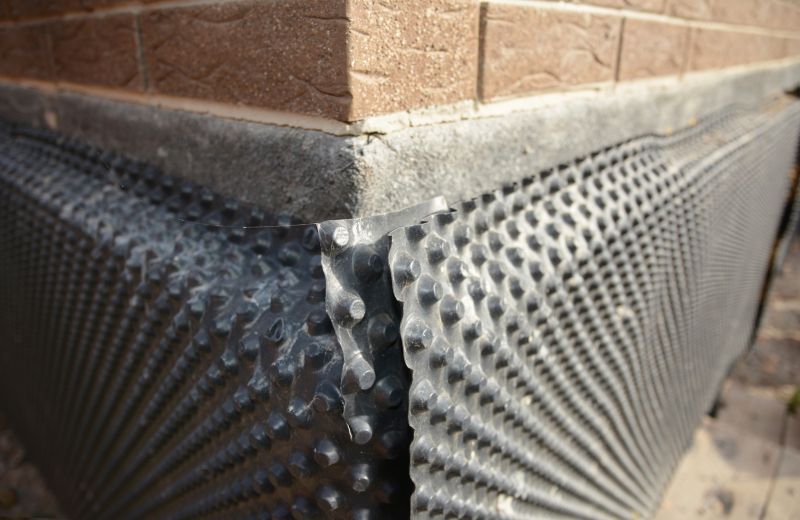
Ways to make Waterproofings work in tight or awkward layouts.
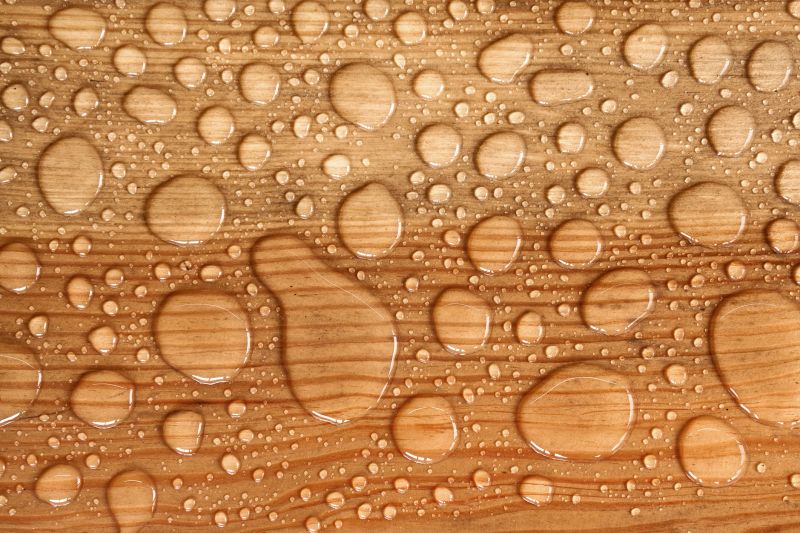
Popular materials for Waterproofings and why they hold up over time.

Simple add-ons that improve Waterproofings without blowing the budget.
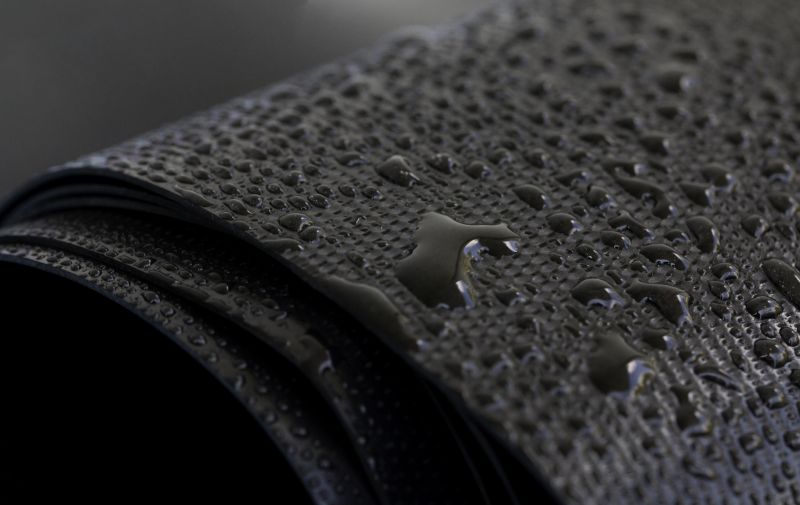
High-end options that actually feel worth it for Waterproofings.

Finishes and colors that play nicely with Waterproofings.
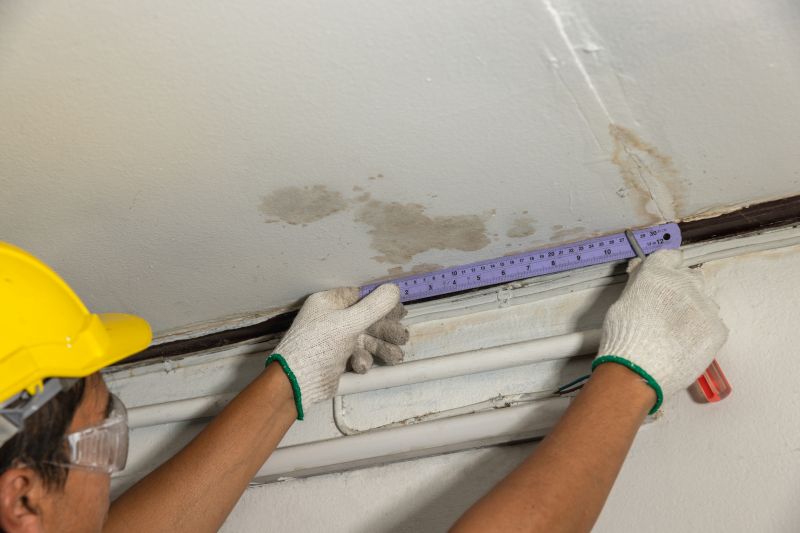
Little measurements that prevent headaches on Waterproofings day.
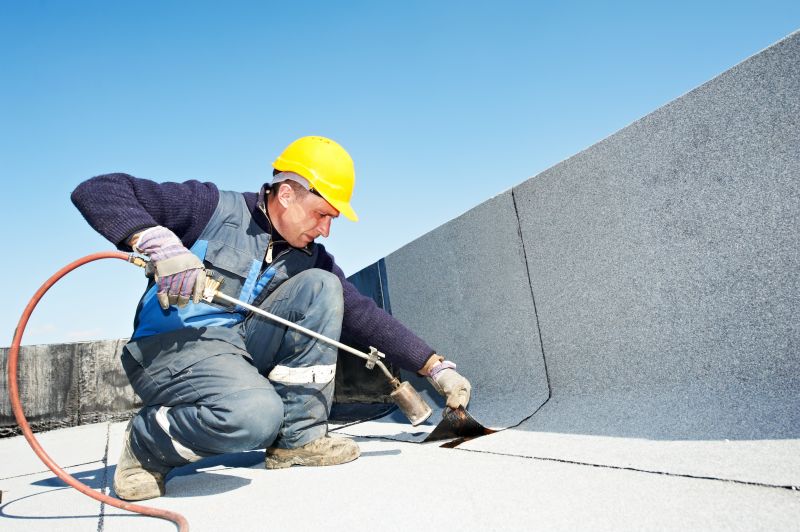
A 60-second routine that keeps Waterproofings looking new.
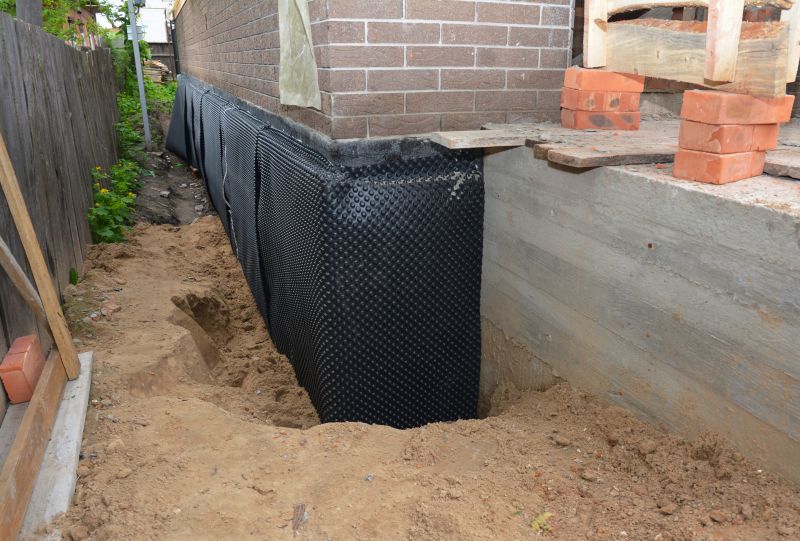
A frequent mistake in Waterproofings and how to dodge it.
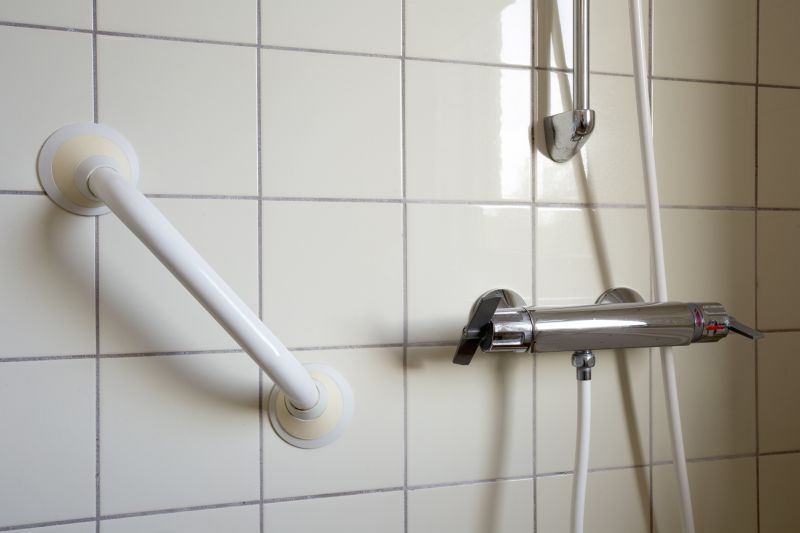
Small tweaks to make Waterproofings safer and easier to use.
| Season | Optimal Conditions |
|---|---|
| Spring | Temperatures 50°F-70°F, low humidity, dry days |
| Early Summer | Warm temperatures, no rain, low humidity |
| Fall | Cooler temperatures, dry conditions, low humidity |
| Winter | Not recommended due to freezing temperatures |
| General Advice | Apply in dry weather, avoid rain and frost |
Waterproofings are essential for protecting structures from moisture intrusion, which can lead to damage, mold growth, and deterioration of building materials. Proper application timing enhances adhesion and durability, ensuring long-lasting protection. The effectiveness of waterproofing depends heavily on weather conditions during and after application, making seasonal planning critical.
Statistics show that applying waterproofing during optimal seasons can extend the lifespan of waterproofing materials by up to 30 percent. In addition, proper timing reduces the need for frequent reapplications and repairs, saving costs over the long term. Understanding seasonal variations and weather patterns can significantly improve project outcomes.
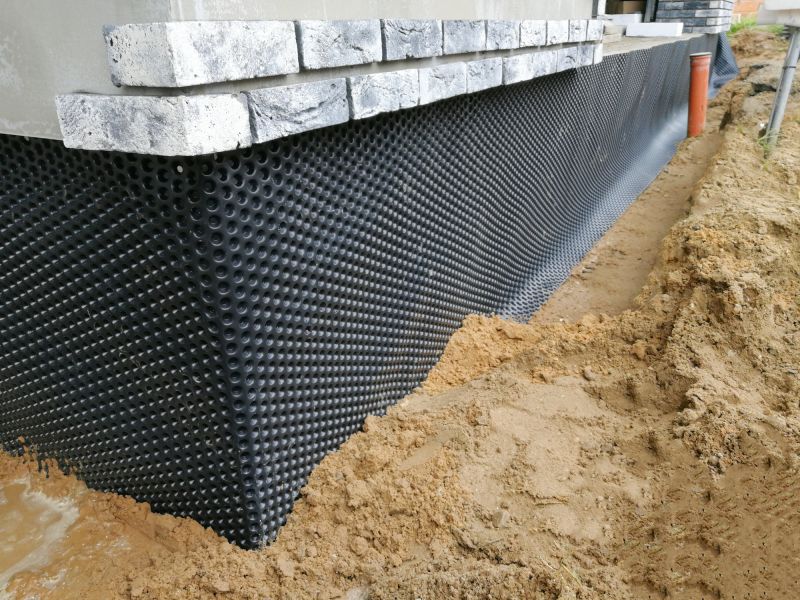
Lower-waste or water-saving choices for Waterproofings.
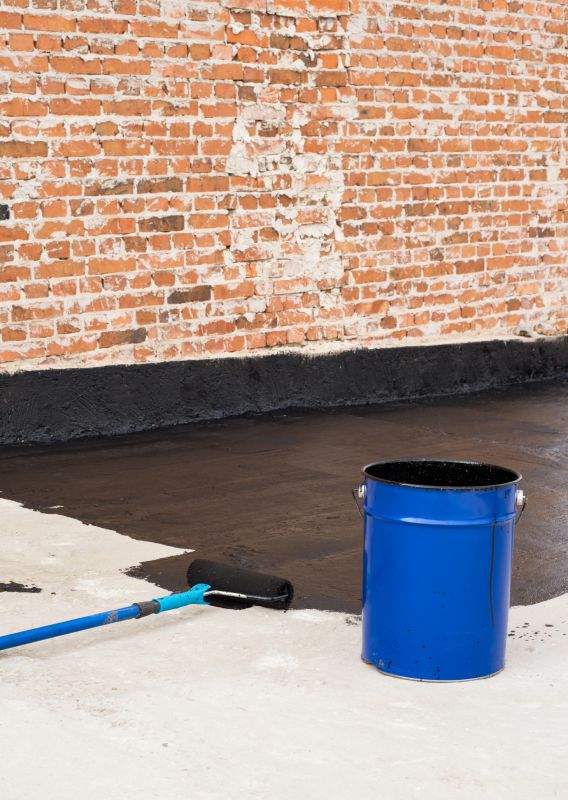
The short, realistic tool list for quality Waterproofings.

Rough timing from prep to clean-up for Waterproofings.
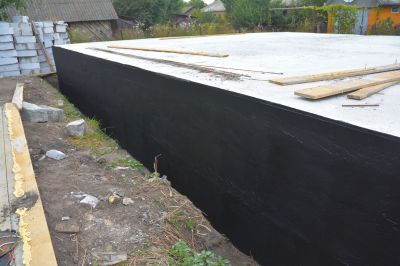
Quick checks and paperwork to keep after Waterproofings.
Interested in waterproofing services? Filling out the contact form can provide more information on suitable timing and options tailored to specific project needs.